

-
-
-
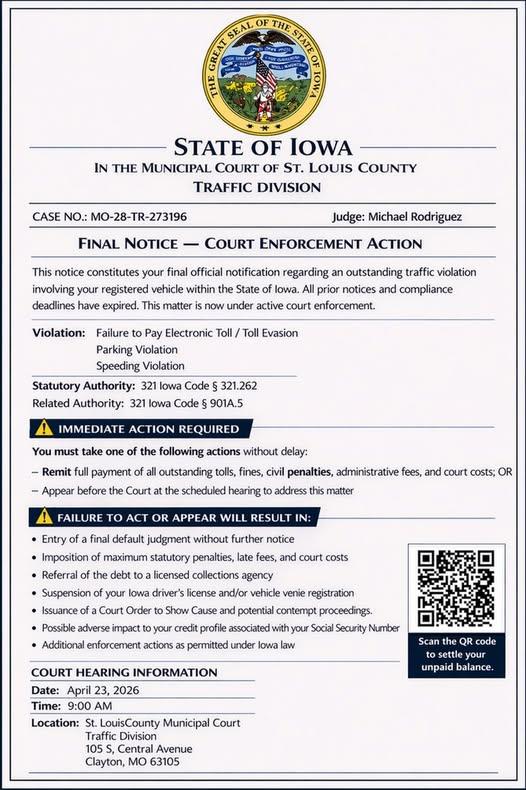 One of the scams that makes the rounds...don't fall for it!
The Vinton Police Department is reminding residents to stay alert as scam messages and fraudulent phone calls continue circulating throughout the area — and even Police Chief Ted Paxton recently found himself targeted by scammers.
In a recent Facebook post, the department shared that Paxton received one of the now-common text messages claiming he had unpaid tolls and needed to immediately click a link to avoid penalties.
“We’re relieved to report he did NOT rush to pay mysterious toll fees for roads he never traveled on. (We did briefly consider issuing a warrant for his arrest just to keep things interesting, but decided against it,)â€� the department joked in the post.
The department then turned serious, warning residents that scam messages can appear very convincing.
“All jokes aside, these scam messages are circulating everywhere and can look surprisingly legitimate,â€� the post stated. “If you receive a text about unpaid tolls, suspicious packages, or urgent payment demands:
🔹 Don’t click the link
🔹 Don’t provide personal or financial information
🔹 Delete the message
🔹 When in doubt, contact the agency directly using a trusted phone number
“If the Chief can get them, anyone can. Stay sharp out there, Vinton!â€�
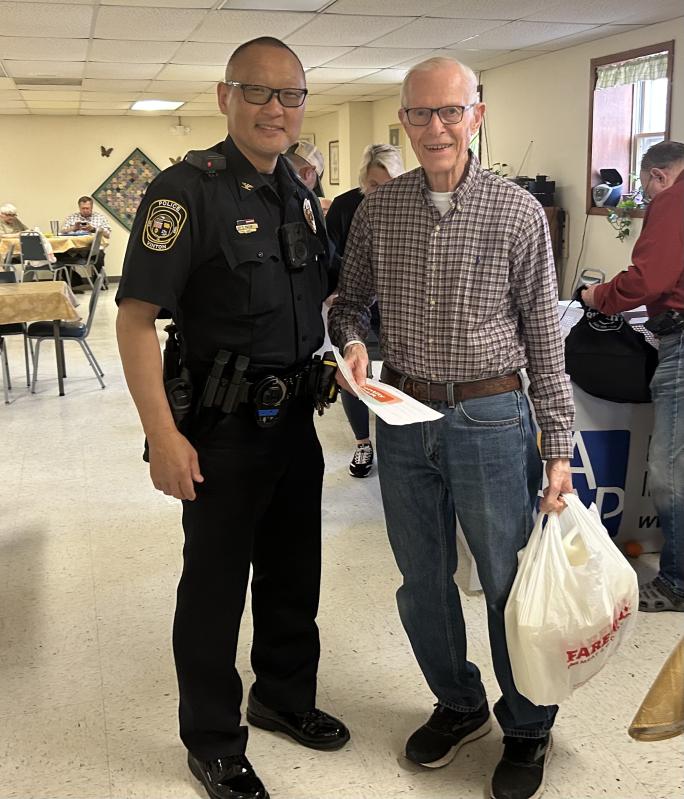
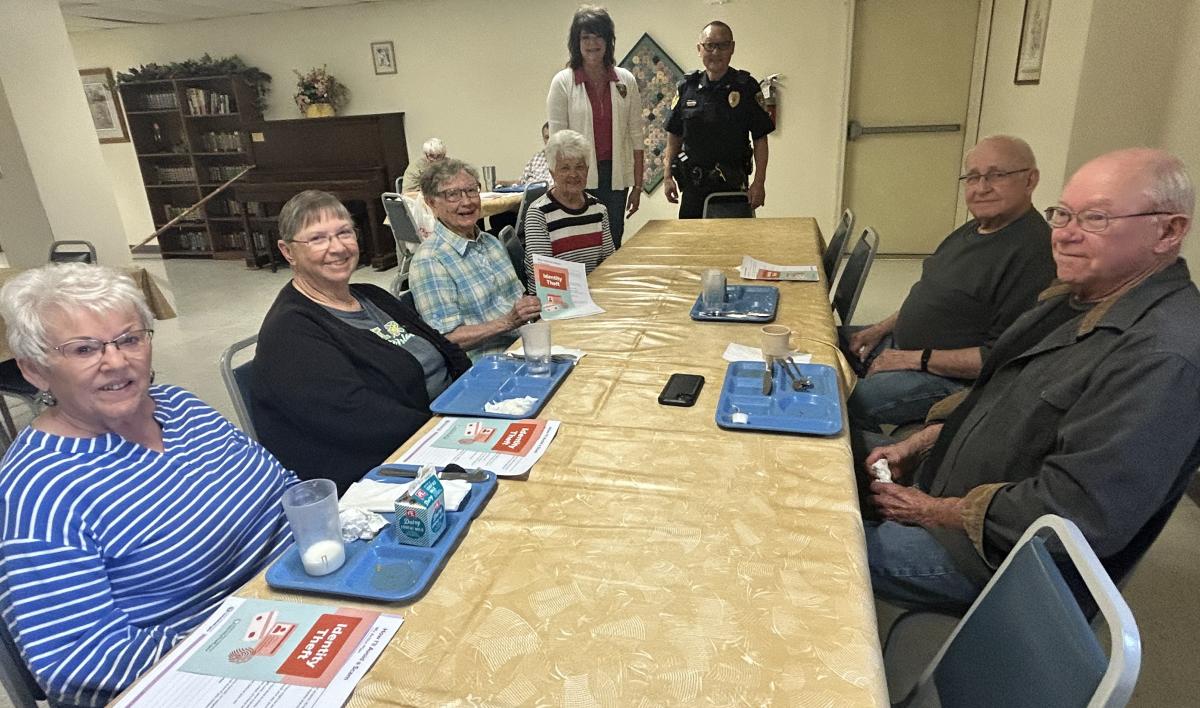
Officers recently visited residents at the 4th St. Diner to discuss some of the latest scams targeting community members. During the visit, Paxton shared that scammers were able to steal $20,000 in one local incident.
Police say scammers frequently target older adults because they are often polite, trusting and eager to help others. Criminals may pretend to be a grandchild in trouble, a bank employee, law enforcement officer, government official or delivery service representative.
Officials stressed that residents should never feel pressured to immediately provide information or money. Common scam tactics are designed to scare victims, rush them into making decisions and pressure them into sharing banking information, Social Security numbers, passwords or other personal details.
The department emphasized that legitimate government agencies, banks and law enforcement offices do not randomly call demanding account numbers, PINs, passwords or full Social Security numbers. Scammers will also often request unusual forms of payment such as gift cards, wire transfers, cryptocurrency, ATM withdrawals, payment apps or money orders because those payments are difficult to recover.
Police warned residents to be especially cautious of unexpected texts or emails involving unpaid tolls, parking tickets, package delivery issues or suspicious bank activity. Many scam messages use official-looking logos and convincing language to trick victims into clicking fraudulent links.
Another growing concern involves the use of artificial intelligence to imitate voices of family members or officials. Police said these scams are already occurring in Iowa. Residents are encouraged to hang up and call family members or agencies back directly using trusted phone numbers they already know are legitimate.
The department encourages residents to pause before responding to suspicious messages, avoid clicking unexpected links, use strong passwords and talk with trusted friends or relatives before sending money or sharing information.
Officials also reminded residents that there is no shame in reporting a scam attempt.
-contact your bank of credit union immediately
-change your passwords on affected accounts
-contact the police department immediately if they believe they may have been targeted.
-in Iowa, scam victims or those who suspect a scam can also contact the Iowa Attorney General's office.
Police are asking residents to save suspicious texts, voicemails, emails or letters and share them with officers if something seems questionable. When in doubt, residents are encouraged to contact the local police department before responding.
They recommend for everyone to Slow Down, Hang up, Check it out.
To find out more about identity theft, click here!


Comments
Submit a CommentPlease refresh the page to leave Comment.
Still seeing this message? Press Ctrl + F5 to do a "Hard Refresh".